Supplied blinds vs fully fitted blinds: what each option means for your home
Understanding the two main approaches to getting new blinds
When you start looking for window coverings, you will quickly come across two different ways of getting them into your home. One option is to order the blinds yourself and arrange for them to be delivered, then fit them on your own. The other is to have a professional handle everything from the initial site survey through to the final installation. Both routes can give you a good result, but the experience and the level of finish differ in several important ways.
Choosing between supplied blinds and fully fitted blinds often comes down to how much time, skill and patience you have, and how confident you feel about measuring and installing window coverings. It also depends on the type of blind you want and the shape of your windows. To make the right choice, it helps to understand exactly what each option involves.
What supplied blinds mean in practice
Supplied blinds are those you order from a retailer, online or in a shop, and that arrive ready to be fitted. You take the measurements, place the order and then install the blinds yourself. Some retailers offer a made-to-measure service, while others sell standard sizes that you adjust on site. In either case, the responsibility for getting the fit right rests with you.
The main advantage of supplied blinds is price. Because you are cutting out the cost of a site visit and a professional installer, the upfront cost is usually lower. You also have more choice about where you buy from, and you can shop around for the best deal on the fabric and style you want. For straightforward rectangular windows in standard sizes, this approach can work very well.
However, supplied blinds also come with a notable risk. If you measure incorrectly, the blind may not fit the window recess properly. Gaps at the sides or a drop that is too short or too long can spoil the look and let in unwanted light. Fixing the problem often means paying for a replacement blind, which can wipe out any saving you made by buying supplied rather than fully fitted.
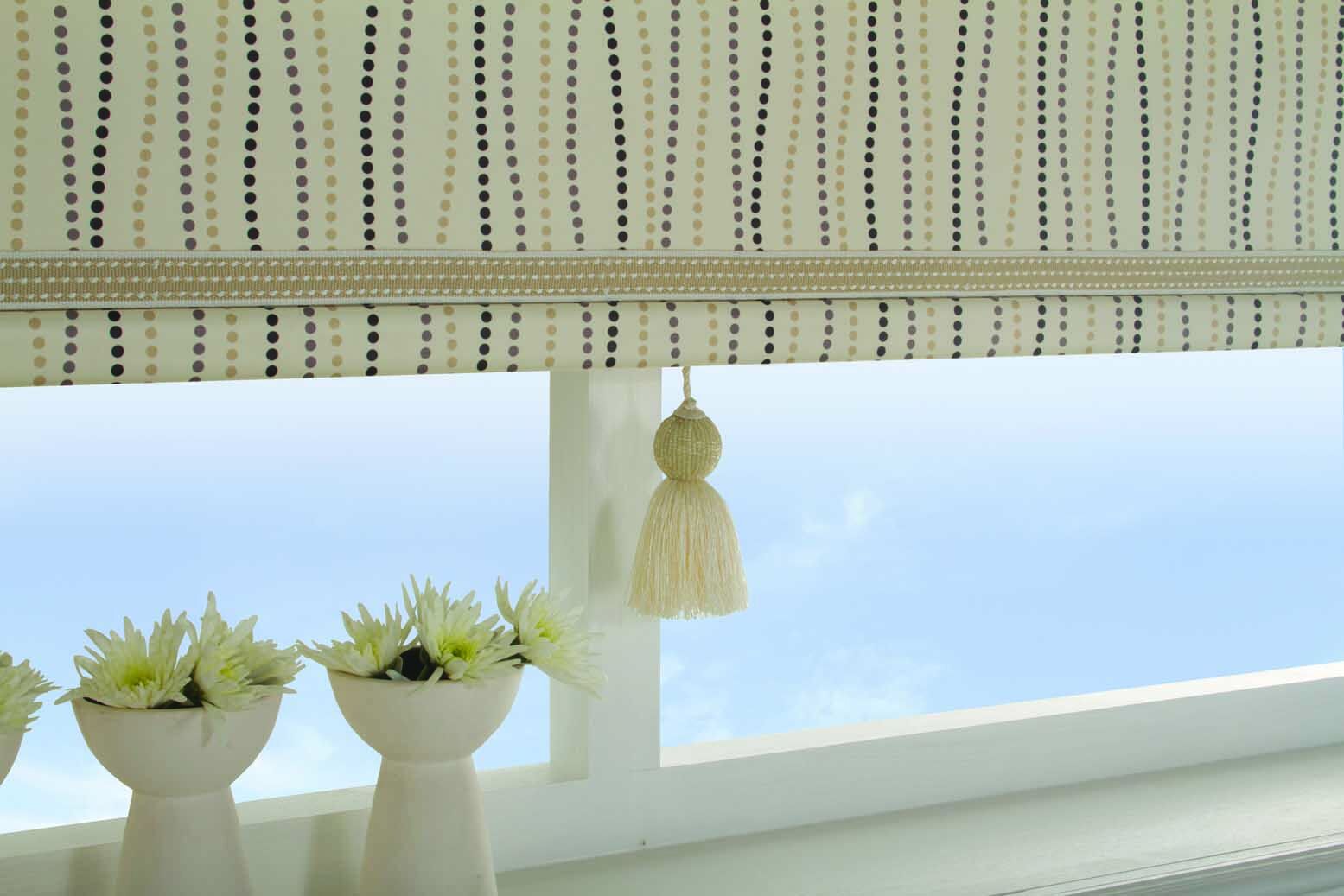
Installation is another area where supplied blinds demand some DIY ability. You need to mark and drill holes for the fitting brackets, ensure they are level and spaced correctly, and then attach the blind. For some people this is a straightforward job. For others, especially those with awkward window reveals or limited tools, it can be frustrating and time-consuming.
What fully fitted blinds involve
Fully fitted blinds are provided and installed by a single company, usually one that specialises in made-to-measure window coverings. The process typically starts with a site survey, during which a professional visits your home to take accurate measurements and check the condition of the window frames and recesses. They can also advise on the best type of blind for each window, taking into account factors like the depth of the recess, the position of the operating chain and any child safety requirements.
Once the measurements are taken, the blinds are made to order and delivered. An installation appointment is then arranged, and a fitter comes to your home to put the blinds up. The installation time is usually short for each window, and the fitter will check everything works properly before they leave.
The biggest benefit of going fully fitted is that the fit is guaranteed. If the blind does not fit because of a measurement or manufacturing error, the company corrects it at no extra cost. You also avoid the hassle of drilling holes and working at height, which can be a real concern for some homeowners. For anyone searching for "blinds fitted near me", the appeal is knowing that a professional will handle the tricky parts of the job.
On the downside, fully fitted blinds cost more than supplied ones. You are paying for the survey, the expertise and the labour of the installer. There is also less flexibility to choose any blind from any retailer, because you are limited to what the fitting company offers.
Comparing the two approaches side by side
To help you weigh up the options, here are the key differences between supplied blinds and fully fitted blinds.
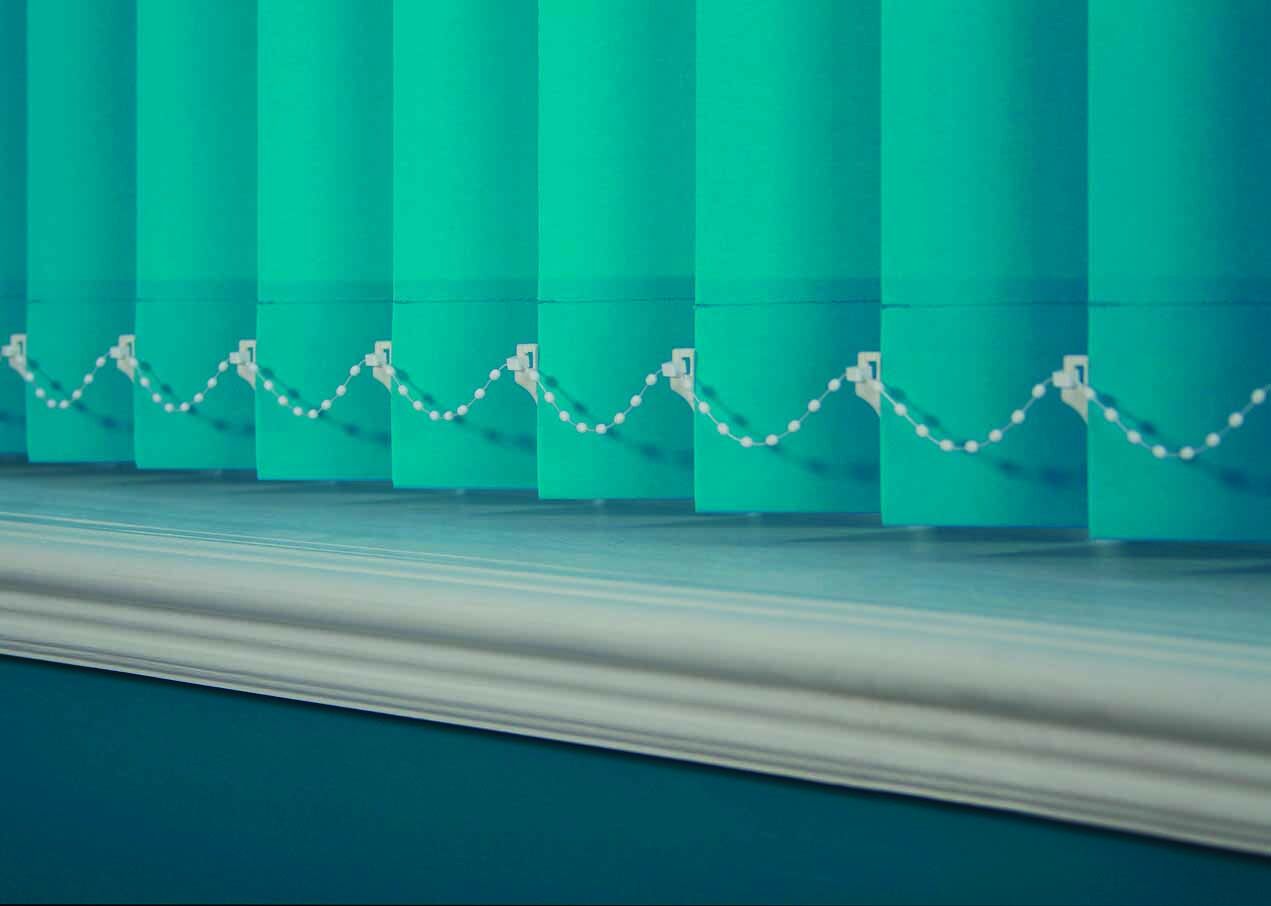
- Measurement accuracy: With supplied blinds, you measure yourself and take full responsibility for the fit. With fully fitted blinds, a professional measures for you, reducing the chance of errors.
- Installation effort: Supplied blinds require you to fit them, which means drilling, levelling and sometimes trimming. Fully fitted blinds include installation by a trained fitter.
- Cost: Supplied blinds are usually cheaper upfront. Fully fitted blinds cost more but include the survey and labour.
- Aftercare: Supplied blinds are your responsibility if something goes wrong. Fully fitted blinds often come with a guarantee on the fit and sometimes on the product.
- Suitability for unusual windows: For bay windows, arches or very large windows, fully fitted blinds are often the safer choice because the survey can catch issues that a self-measurer might miss.
These differences mean that each option suits a different type of buyer. Supplied blinds are ideal for people who are confident with a tape measure and a drill, have standard-sized windows, and want to keep the cost down. Fully fitted blinds are better for those who prefer a hassle-free experience, have non-standard windows, or simply want the peace of mind that comes with a professional finish.
When supplied blinds make the most sense
Supplied blinds are a good fit for a rental property where you want to keep spending low, or for a temporary home where you may move again soon. They also work well if you are fitting blinds into a brand new house with perfectly square window recesses, and you have the tools and time to do the job yourself.
Some people enjoy the sense of accomplishment that comes from fitting their own blinds. If you are handy around the house and have fitted window coverings before, supplied blinds can save you a meaningful amount of money. The key is to be honest about your measuring skills. Double-check every dimension, and remember that a blind that is a few millimetres too wide will not fit into the recess at all.
When fully fitted blinds are the smarter choice
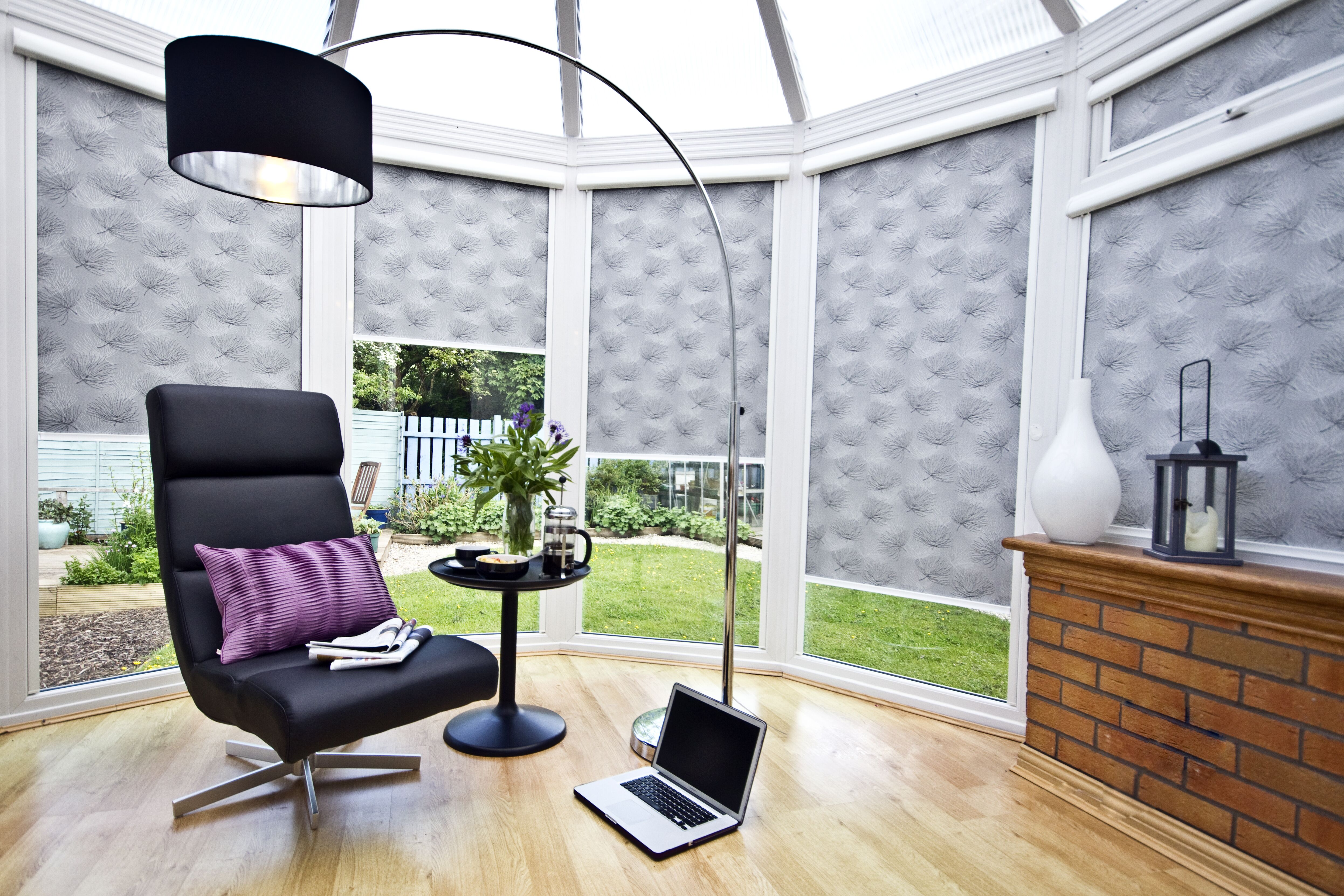
Fully fitted blinds come into their own when the windows are tricky, the budget allows for the extra cost, or you simply do not want to spend a weekend with a drill. Older houses often have window frames that are not perfectly square or level, and a professional survey can pick up these details and adjust for them. The same applies to conservatories, orangeries and rooms with large or unusually shaped windows.
Another situation where fully fitted blinds are preferable is when child safety is a concern. Professional fitters are trained to install blinds with the correct safety devices, such as tensioners for operating chains and cleats to keep cords out of reach. While you can buy these devices yourself, having someone who knows the current regulations makes sure the installation is compliant from day one.
For anyone who has searched for "blinds fitted near me" and wants a straightforward experience, fully fitted blinds remove the guesswork. You book one appointment for the survey, another for the fitting, and the job is done. There is no need to hire extra tools, no worry about whether the brackets are level, and no risk of damaging the blind during installation.
Making your decision
There is no single right answer. The choice between supplied blinds and fully fitted blinds depends on your windows, your skills and your priorities. If you value control over cost and enjoy DIY, supplied blinds can be a perfectly good route. If you value convenience and a guaranteed fit, fully fitted blinds are worth the extra spend.
Whichever option you choose, take the time to look at the materials and the warranty on the blind itself. A well-made blind with a strong fabric and smooth mechanism will last for years, regardless of who fits it. And if you are unsure about your ability to measure or install, remember that a professional survey and fitting can save you from costly mistakes. The peace of mind alone is often worth the difference in price.
Ends · THECOSYWINDOW